
What Is the U.S. Naturalization Test?
The U.S. naturalization test is one of the final steps on the path to becoming an American citizen. It is the test that immigrants must pass during their USCIS naturalization interview to demonstrate a basic understanding of U.S. history, government, and civic values.
Roughly 60% of Americans who were born here cannot pass this test. For those seeking citizenship, passing it is a requirement. With the right preparation, it is very achievable. This page explains what the naturalization test is, what it covers, how it is administered, and how to prepare for it.
What Is the Naturalization Test?
The naturalization test is administered by U.S. Citizenship and Immigration Services (USCIS) as part of the naturalization interview. It consists of two parts:1. The English Language Test
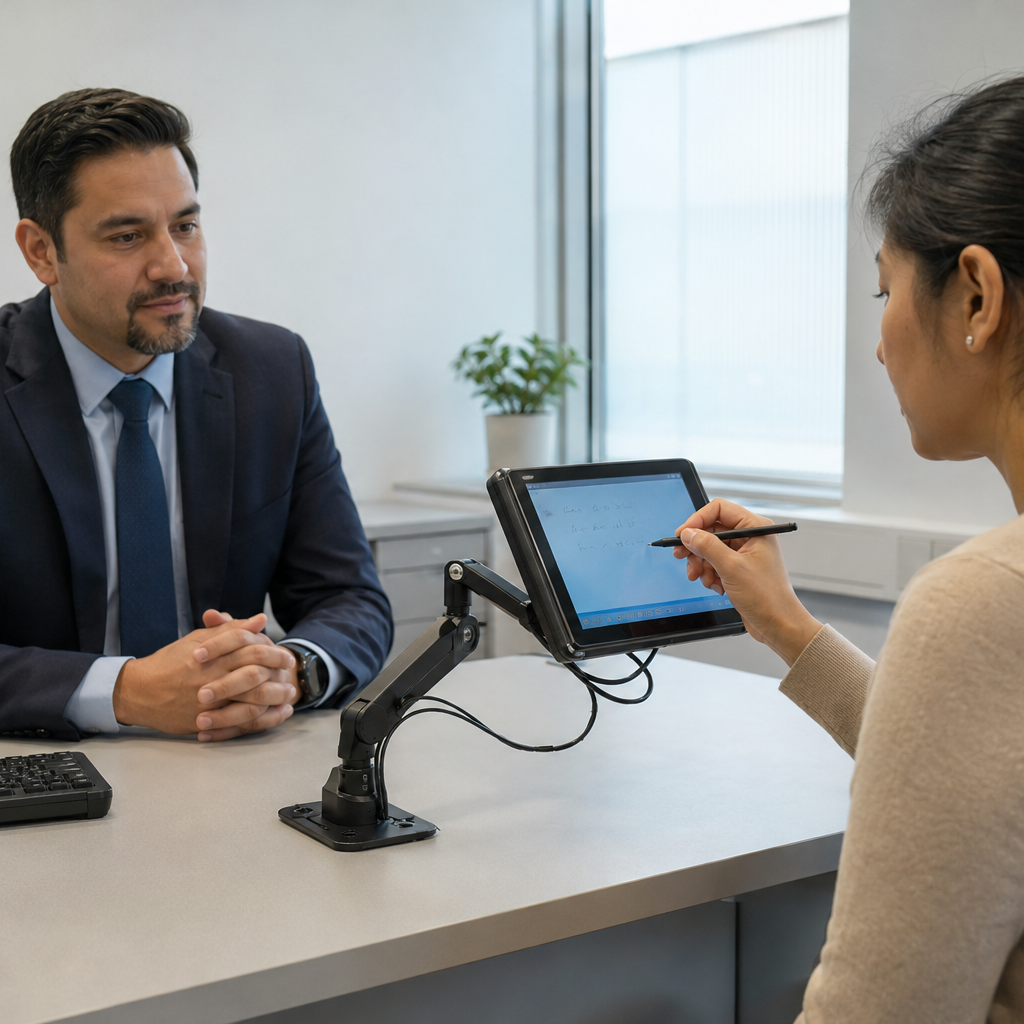
The English language component assesses your ability to read, write, and speak basic English. During the interview, the officer will ask you to:
- Read one sentence in English correctly out loud
- Write one sentence in English correctly as dictated by the officer
- Demonstrate the ability to speak and understand English through the interview itself
Some applicants are exempt from the English language requirement based on age and years of lawful permanent residency. USCIS provides specific exemption criteria on its website.
2. The Civics Test
The civics test is the component most applicants spend the most time preparing for. During your interview, the USCIS officer will ask you up to 10 questions drawn from the official list of 100 American citizenship test questions. You must answer at least 6 correctly to pass. The test is oral. There is no written civics exam.
What Does the Civics Test Cover?
The 100 official civics questions are organized into six categories:
Principles of American Democracy (12 questions): The Constitution, the Bill of Rights, the Declaration of Independence, the rule of law, and the fundamental principles of the American system of government.
System of Government (47 questions): The three branches of government and how they work. This is the largest section and covers Congress, the Senate, the House of Representatives, the President, the Vice President, the Cabinet, the Supreme Court, and the federal court system.
Rights and Responsibilities (16 questions): The rights guaranteed to citizens and all residents, the rights specific to citizens, and the responsibilities of citizenship including voting, serving on a jury, and paying taxes.
Colonial Period and Independence (7 questions): Why colonists came to America, who the Founders were, the American Revolution, and the Declaration of Independence.
The 1800s (7 questions): Westward expansion, the Civil War, Abraham Lincoln, and the end of slavery.
Recent American History (11 questions): World War I, World War II, the Cold War, the civil rights movement, and major events of the 20th century.
How Is the Civics Test Administered?
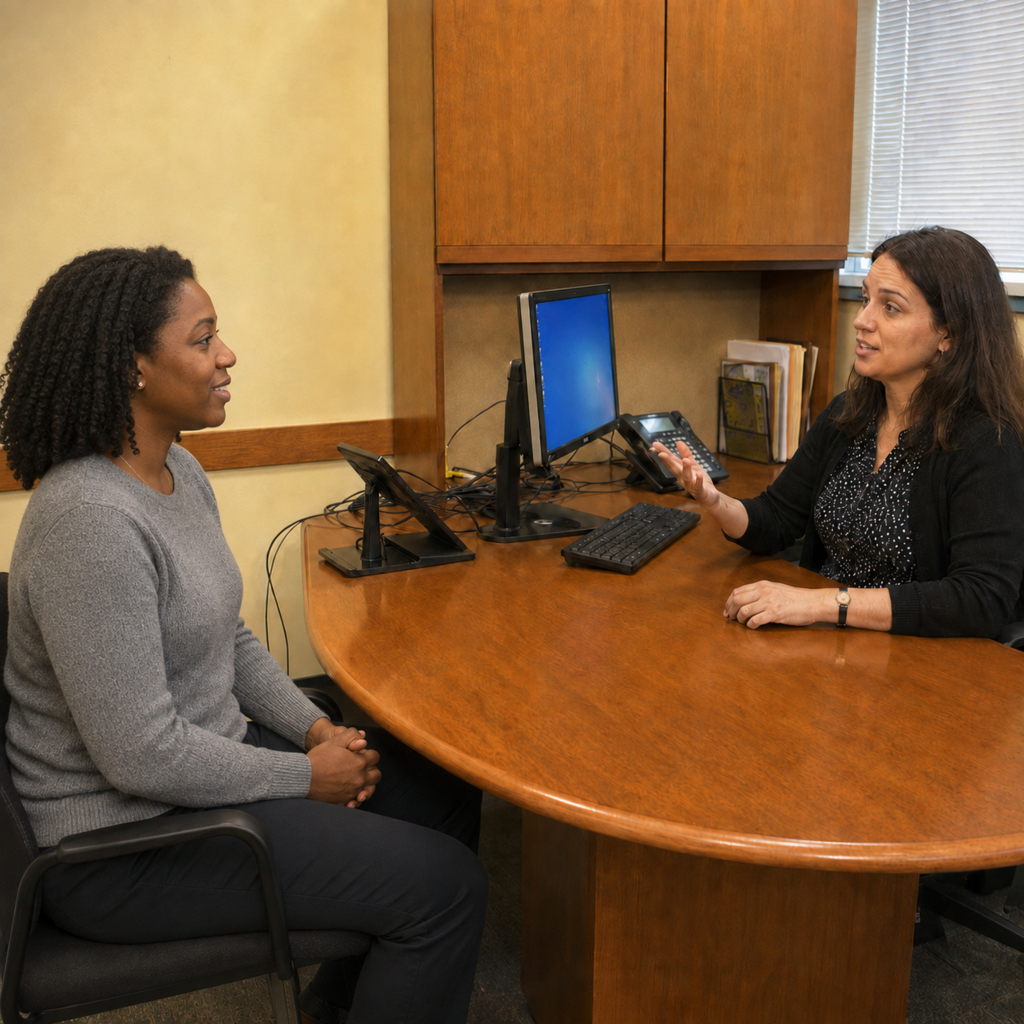
The civics test takes place during your naturalization interview at a USCIS field office. Here is what to expect:
- The officer will ask questions from the official list of 100 civics questions.
- Questions are asked one at a time, out loud.
- You answer each question verbally.
- The officer may ask up to 10 questions total.
- As soon as you have answered 6 questions correctly, you have passed. The officer will stop asking.
- If you answer 5 or fewer correctly out of 10, you do not pass on that attempt.
The interview is conversational, not confrontational. Most officers are straightforward and professional. If you have prepared, you will know what to expect.
What Happens If You Do Not Pass?
If you do not pass the civics test at your first interview, you will be given one more opportunity. USCIS will schedule a second interview, typically 60 to 90 days after the first. At the second interview, you will only be re-tested on the portion you did not pass.
If you do not pass at the second interview, your application for naturalization will be denied. You may reapply, but the process starts over from the beginning. Most applicants who prepare adequately pass on their first attempt.

Who Qualifies for the Naturalization Test?
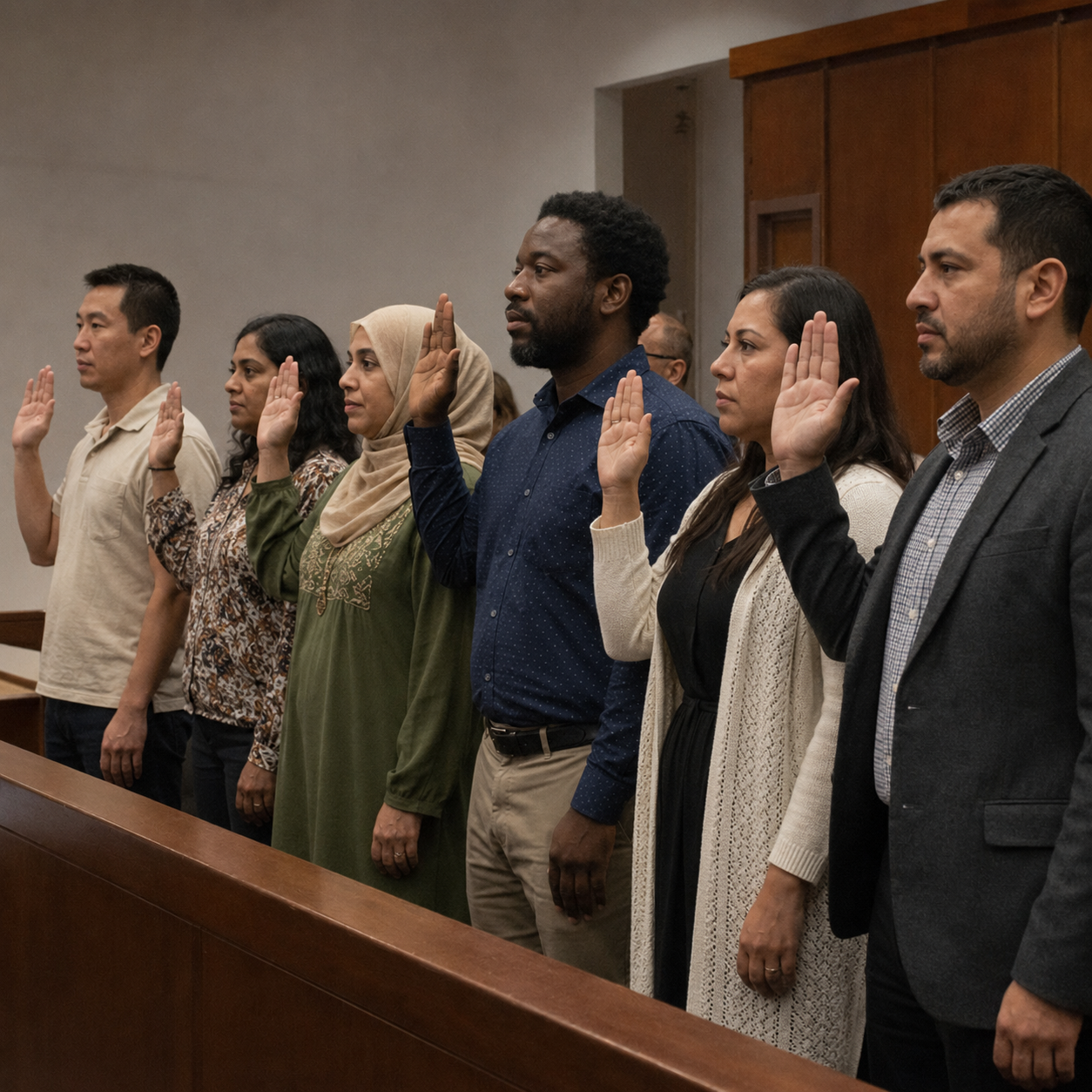
To apply for naturalization and take the test, you generally must:
- Be at least 18 years old
- Be a lawful permanent resident for at least 5 years, or 3 years if married to a U.S. citizen
- Have lived in the U.S. continuously for the required period
- Have been physically present in the U.S. for a specified minimum number of days
- Be a person of good moral character
- Demonstrate basic English proficiency unless exempt
- Pass the civics test
USCIS provides the complete eligibility requirements at uscis.gov. This page focuses specifically on the test itself.
Are There Any Exemptions?
English Language Exemptions
You may be exempt from the English language requirement if you are 50 years of age or older and have lived as a permanent resident in the U.S. for 20 or more years, or if you are 55 years of age or older and have lived as a permanent resident for 15 or more years. Qualifying applicants may take the civics test in their native language through a USCIS-approved interpreter.
Civics Test Accommodations
Applicants with disabilities may request accommodations or an exemption from the civics test by filing Form N-648, Medical Certification for Disability Exceptions, with their naturalization application.
What Are the Questions With Variable Answers?
Most civics questions have fixed answers that do not change. However, some questions ask about current officeholders, and those answers change when elections occur. Always verify these at uscis.gov in the days before your interview:
- Who is the President of the United States now?
- Who is the Vice President of the United States now?
- Who is the Speaker of the House of Representatives now?
- What is the name of the Chief Justice of the United States now?
- Who are the two U.S. Senators from your state?
- Who is the Governor of your state?
The 65 or Older Exception
Applicants who are 65 years or older and have been a permanent resident for 20 or more years take a shorter version of the civics test. They are only responsible for 20 of the 100 civics questions, a designated set marked with an asterisk on the USCIS question list.
How to Prepare for the Naturalization Test
Effective preparation combines learning the material in depth, reviewing the questions and answers by topic, and practicing under test conditions. Civics Fundamentals gives you all three:
- Review all citizenship test practice questions on the Civics Fundamentals USCIS Test page.
- Take a free U.S. Citizenship Practice Test Online to find gaps in your knowledge before your interview.
- Complete the free American Citizenship Education Program to go beyond memorization and understand the why behind every answer.
For a step-by-step preparation plan, visit the How to Prepare for the U.S. Citizenship Test page in this Help section.
Frequently Asked Questions
The full interview typically takes 20 to 30 minutes. The civics test itself is only a few minutes.
Ready to Start Preparing?
Now that you understand what the U.S. naturalization test is, the next step is preparation. Register free at Civics Fundamentals and begin the American Citizenship Education Program today. Or jump straight in and take a citizenship practice test to see where you stand right now.