
How to Prepare for the U.S. Citizenship Test
Citizenship test preparation does not have to feel overwhelming. With the right resources and a clear study plan, you can learn the material, check your progress with a citizenship practice test, and feel more confident before your USCIS interview. This guide walks you through each step, from understanding which test you will take to practicing your answers aloud.
Step 1: Understand What the Test Covers
The U.S. citizenship test includes a civics portion and an English language component. The civics test version you take depends on when you filed Form N-400.
If you filed before October 20, 2025, you will take the 2008 civics test. The officer will ask up to 10 questions from a list of 100 official questions. You must answer at least 6 correctly to pass.
If you filed on or after October 20, 2025, you will take the 2025 civics test. The officer will ask up to 20 questions from a list of 128 official questions. You must answer at least 12 correctly to pass.
The questions cover topics such as:
- American government and the Constitution
- American history and important historical figures
- The rights and responsibilities of citizenship
- Geography, national symbols, and holidays
You will not know in advance which questions you will be asked. Therefore, your citizenship test preparation should cover every question included in your assigned test version.
Step 2: Get the Official Questions for Your Test
USCIS publishes the complete list of civics questions and accepted answers for each version of the test. Every civics question asked during your interview will come from the official list that applies to you.
The 2008 test includes 100 questions, while the 2025 test includes 128 questions. Make sure you study the list that matches your Form N-400 filing date.
You can download the appropriate list directly from the USCIS study resources.

Step 3: Take a Citizenship Practice Test First
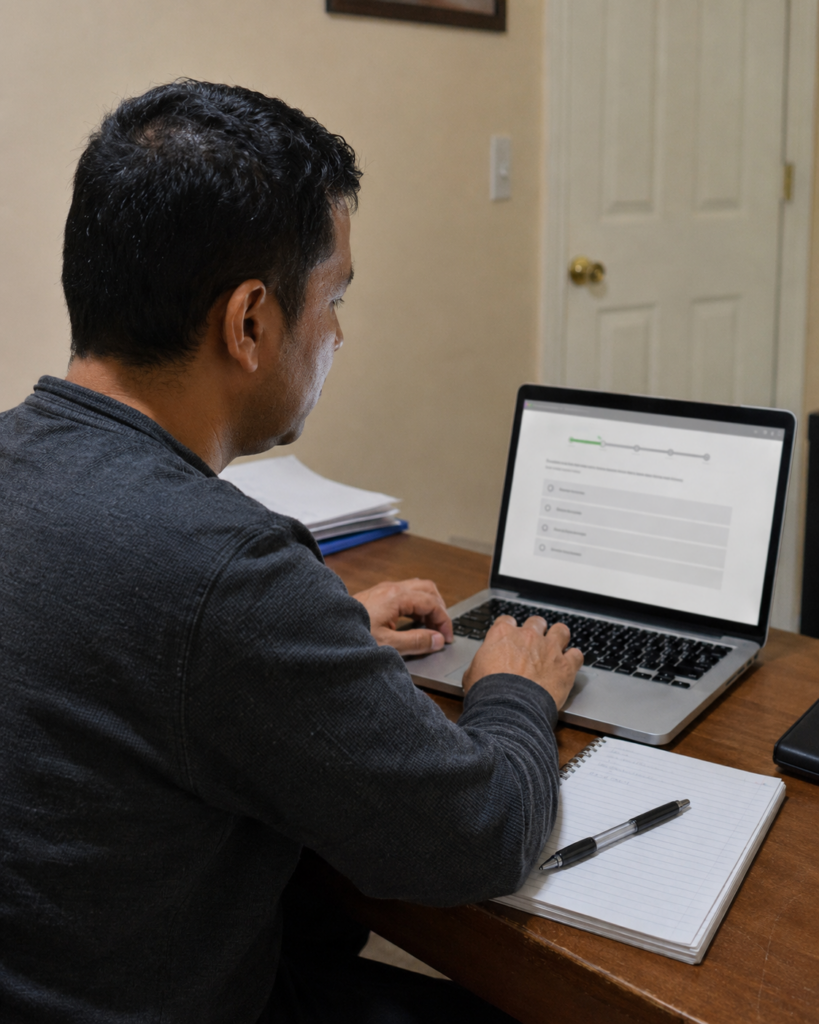
Before you begin studying, take a citizenship practice test to see what you already know. Your results will give you a starting point and show which topics need the most attention. This helps you use your study time more effectively instead of reviewing every question in the same order. You can take a free practice test on the Civics Fundamentals USCIS Test page.
Step 4: Study Using a Structured Program
Memorizing answers alone is not always the most effective way to prepare. When you understand why an answer is correct, the information becomes easier to remember.
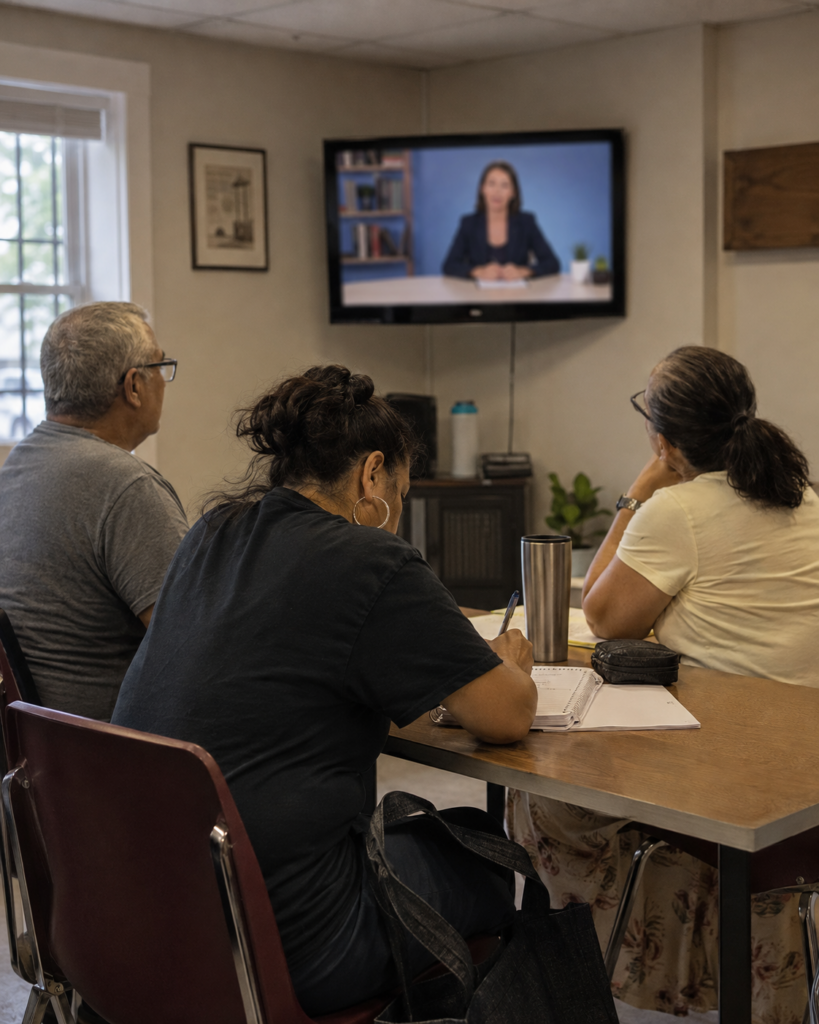
The free Civics Fundamentals Citizenship Education Program includes 128 short video lessons. Each lesson presents an official civics question, gives the answer, and explains the history and meaning behind it. This approach helps you build real civic knowledge instead of relying only on memorization.
The program is self-paced and works on any device. You can watch a few lessons each day and build a citizenship test preparation schedule that fits your available time.
Step 5: Focus on the Topics You Find Hardest
Your first citizenship practice test will show which subjects need the most attention. Review every question you missed and spend additional time on those topics. Many learners find that historical dates, government roles, and constitutional principles are easier to remember when they understand the context behind them.
Important topics to review include:
- The three branches of government and their roles
- The Constitution and the Bill of Rights
- First Amendment freedoms
- The American Revolution and the Declaration of Independence
- The Civil War and Abraham Lincoln
- The role of the Supreme Court
- Voting rights and the responsibilities of citizenship
- Important national symbols and holidays
Continue reviewing the complete question list for your test version, even as you spend extra time on your weakest subjects.
Step 6: Practice Saying Your Answers Out Loud
The USCIS civics test is given orally. The officer will ask each question, and you will respond aloud without multiple-choice options. If you only study by reading, you may recognize an answer on paper but have trouble saying it during your interview.
Ask a family member or friend to read questions from the official list while you practice answering aloud. If you study alone, record the questions and pause after each one to give your answer. This will help you become more comfortable speaking clearly and responding under pressure.
Step 7: Update Variable Answers Before Your Interview
Some civics questions ask about current elected officials or depend on where you live. Because these answers can change, review them again during the week before your interview.
Be sure you know:
- The current President of the United States
- The current Vice President of the United States
- The current Speaker of the House of Representatives
- The current Chief Justice of the United States
- Your state’s two U.S. senators
- Your U.S. representative
- Your state’s governor
- Your state capital
Check your answers using the USCIS website or an official federal or state government website. Do not rely on an older study guide for information that may have changed.
Step 8: Use Timed Practice Tests in the Final Week
During the week before your interview, shift from studying individual topics to practicing under realistic conditions. Answer the questions aloud without notes or multiple-choice options.
If you are taking the 2008 test, practice answering up to 10 questions and aim for at least 6 correct. If you are taking the 2025 test, practice answering up to 20 questions and aim for at least 12 correct.
Complete several practice tests throughout the week. When you can pass consistently, review the questions you still miss and spend your remaining study time strengthening those areas.
What to Expect on Interview Day
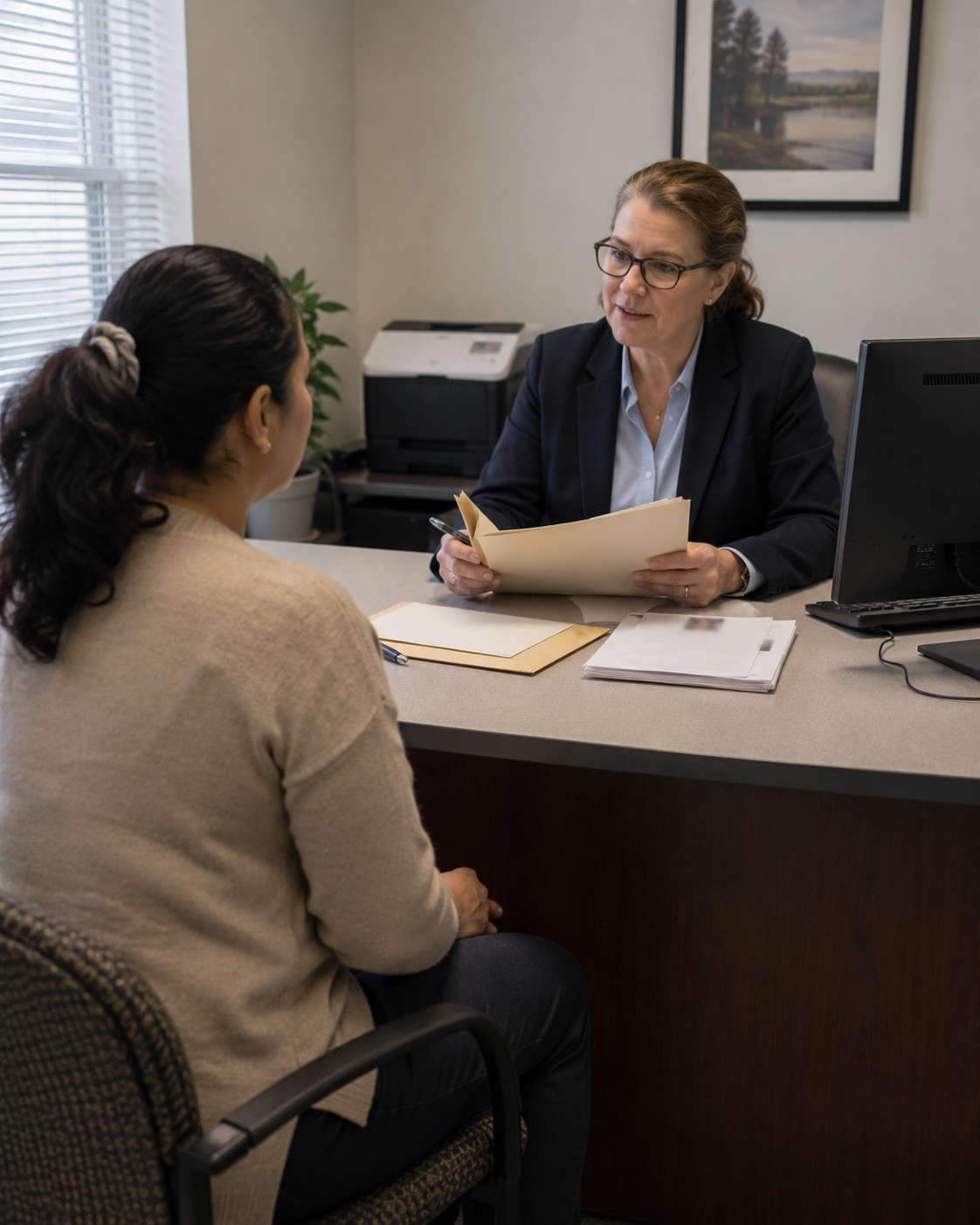
During your naturalization interview, a USCIS officer will review your Form N-400 and ask questions about your application and background. Your ability to understand and answer these questions is also part of the English speaking test.
Unless you qualify for an exemption, you will complete the English reading and writing tests. The officer will then give you the civics test that matches your Form N-400 filing date.
A few things to keep in mind:
- Listen carefully to each question before answering.
- You may ask the officer to repeat a question if you do not understand it.
- Give a clear and direct answer based on the official study materials.
- Stay calm and take a moment to think before responding.
- The officer will stop the civics test once you have passed or reached the number of incorrect answers that results in a failing score.
If you do not pass part of the naturalization test during your first interview, USCIS will generally give you a second opportunity to take the portion you did not pass. The second appointment is typically scheduled within 60 to 90 days.
Your Preparation Checklist
- Confirm whether you will take the 2008 or 2025 civics test.
- Review the official USCIS questions for your test version.
- Take a citizenship practice test to identify your weakest subjects.
- Complete the Civics Fundamentals video lessons.
- Spend extra time reviewing questions you answered incorrectly.
- Practice saying your answers aloud without multiple-choice options.
- Verify all answers involving current elected officials.
- Complete full practice tests until you can pass consistently.
- Review your appointment notice and bring all documents requested by USCIS.
