Answer(s)
• Everyone must follow the law.
• Leaders must obey the law.
• Government must obey the law.
• No one is above the law.

• Everyone must follow the law.
• Leaders must obey the law.
• Government must obey the law.
• No one is above the law.


The principle that everyone, including government officials, must follow the law.
The idea that all people should be treated fairly by the legal system.
Unfairly applying different rules to different groups of people.
A 1970s political scandal where President Nixon abused his power.
Protected from legal consequences or prosecution.
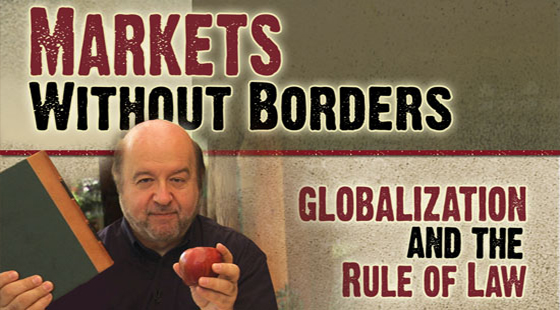
DOUGLAS GINSBURG, Federal Judge, U.S. Court of Appeals, D.C. Circuit:
The rule of law is a cornerstone of the American republic: the idea that everyone is subject to the law no one is above the law. Not even those who make the law. It’s a simple idea, but still, we have not always lived up to it.
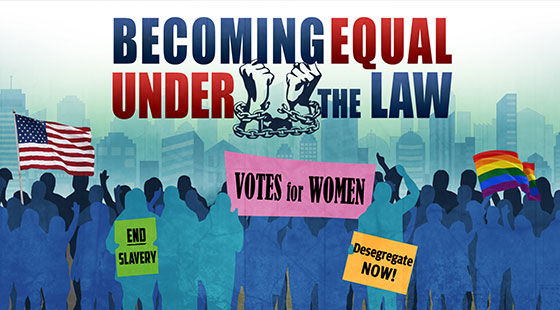
From the birth of our republic until the Civil War, slaves were denied their Constitutional rights. Even after slavery was abolished, African Americans were still denied their rights. In North and South alike, the double standards of Jim Crow prescribed one law for blacks and another for whites.
In the 1950s and ’60s, groundbreaking laws and court decisions guaranteed African Americans what the Constitution had promised all along: equal justice under the law … though we still strive to fulfill that guarantee.
The rule of law also means no one is above the law. Not even the highest elected official in the land. During the Watergate investigation, my Court ordered President Nixon to surrender his secret tape recordings. And later, so did the Supreme Court. And the Supreme Court also ruled that President Clinton wasn’t immune from a lawsuit alleging sexual harassment. Which means even your mayor has to stop at a red light.