Answer(s)
• Print paper money
• Mint coins
• Declare war
• Create an army
• Make treaties
• Set foreign policy
• Print paper money
• Mint coins
• Declare war
• Create an army
• Make treaties
• Set foreign policy


To impose and collect taxes from citizens and businesses.
Business and trade between different states.
An official right giving an inventor sole use of their invention.
The formal power to officially begin a war.
DOUGLAS GINSBURG, Federal Judge, U.S. Court of Appeals, D.C. Circuit:
The federal government wields a range of powers spelled out here, in the Constitution. Some powers belong to the president and some to the courts, but mostly to the Congress.
Here are some of its powers: The power to levy taxes, print and borrow money, regulate foreign and interstate commerce, grant patents, raise an army, and declare war.
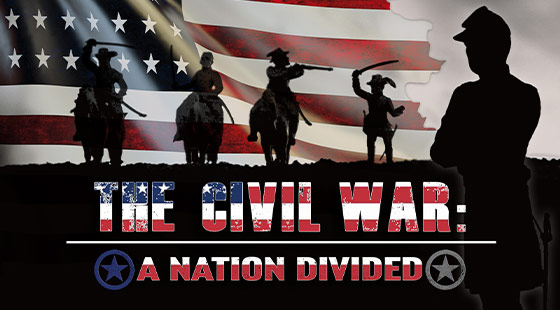
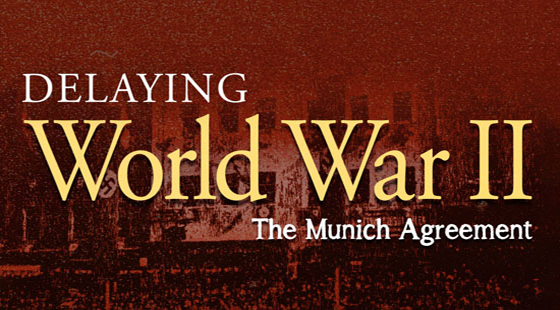
Declaring war is among the federal government’s most awesome powers – with sometimes epic consequences. The war with Mexico added part or all of eight states to the Union – including what’s now our most populous state: California. The Civil War ended slavery – and affirmed that the states form a union that cannot be dissolved. World War II destroyed the fascist tyranny of Japan and Germany – and made the United States a superpower. The Vietnam War shook our faith in government.
All in all, wars have taken the lives of more than a million Americans – a reminder that of all the powers of the federal government, war is the most solemn.