Answer(s)
• Fought to end racial discrimination

• Fought to end racial discrimination


The struggle to end racial discrimination.
Woman who refused to give up her bus seat, sparking protests.
Law outlawing discrimination in public places.
1964 campaign to register Black voters in Mississippi.
Fee used to prevent poor people from voting.
DOUGLAS GINSBURG, Federal Judge, U.S. Court of Appeals, D.C. Circuit:
The Civil Rights movement fought to end racial discrimination in America. At a time when the life of Black Americans was separate and far from equal.
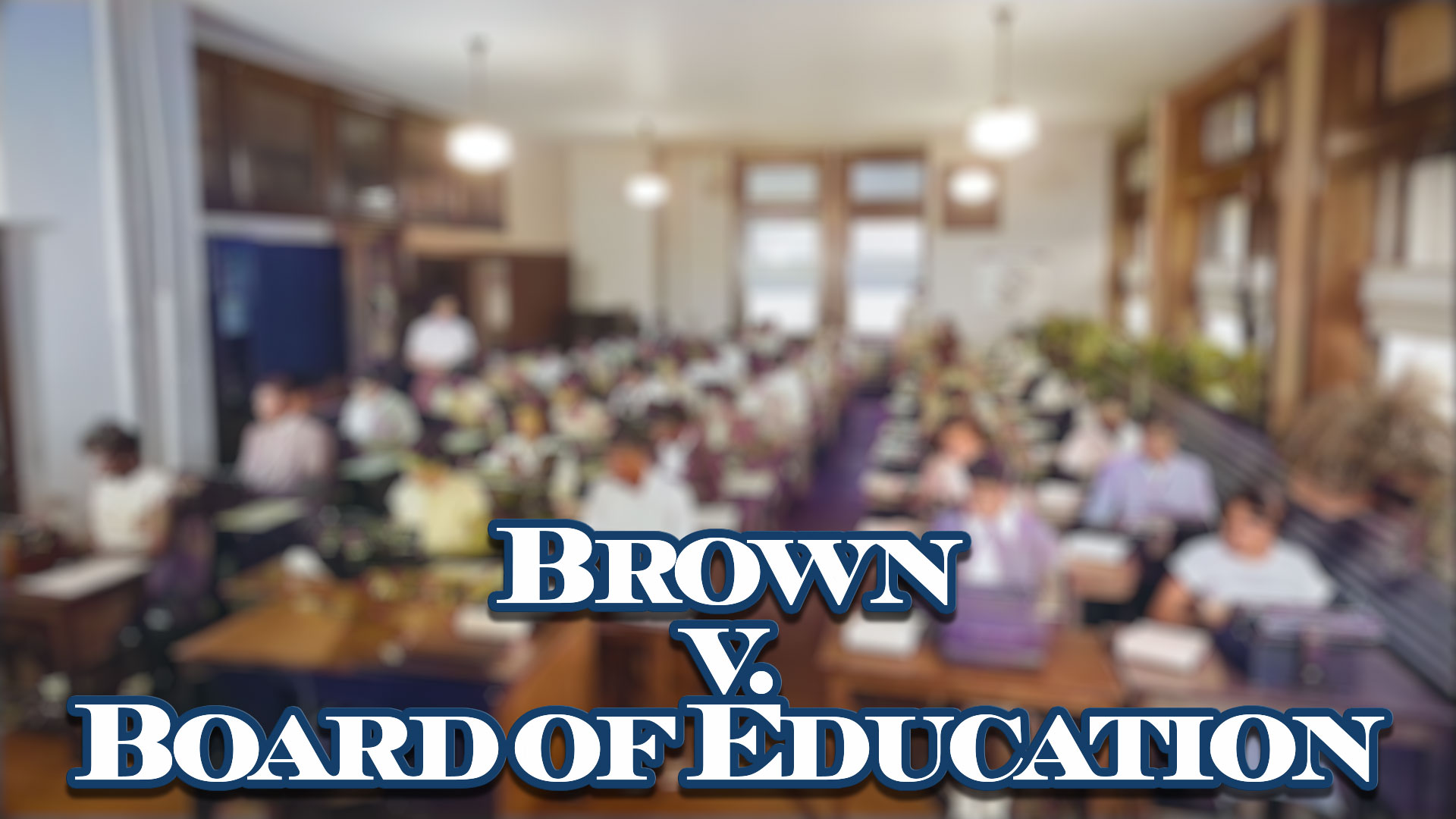
In one of the movement’s greatest victories, the Supreme Court held that segregation in public schools was unconstitutional. It violated the right of Black children to the equal protection of the laws. A year later in Montgomery, Alabama, Rosa Parks refused to move to the back of a segregated bus – and became the mother of the civil rights movement.
Rosa Parks was vindicated in 1956 when the Supreme Court held that segregation on public buses was unconstitutional. The Civil Rights Act of 1964 outlawed segregation in places of public accommodation, and banned job discrimination on the basis of race, color, religion, sex, or national origin. Also in 1964, during Freedom Summer, hundreds of students volunteered to register Black voters in Mississippi. Three volunteers were murdered.
I was shaken when I heard that news. I was an undergraduate at Cornell then, and one of them was a recent Cornell graduate. We had friends in common. Those three brave men did not die in vain.
LYNDON B. JOHNSON: “And today, we strike away the last major shackle of those fierce and ancient bonds.”
In 1965 the Voting Rights Act outlawed literacy tests. And by 1966, poll taxes were outlawed nationwide. In 1967, the Supreme Court declared laws against interracial marriage unconstitutional.
In less than a generation, the fight to end racial discrimination had destroyed the web of laws that – for a century after the Civil War – had denied Black Americans their civil rights.